Flat Roof Inspection in Athens, GA
Know What Is Happening on Your Roof
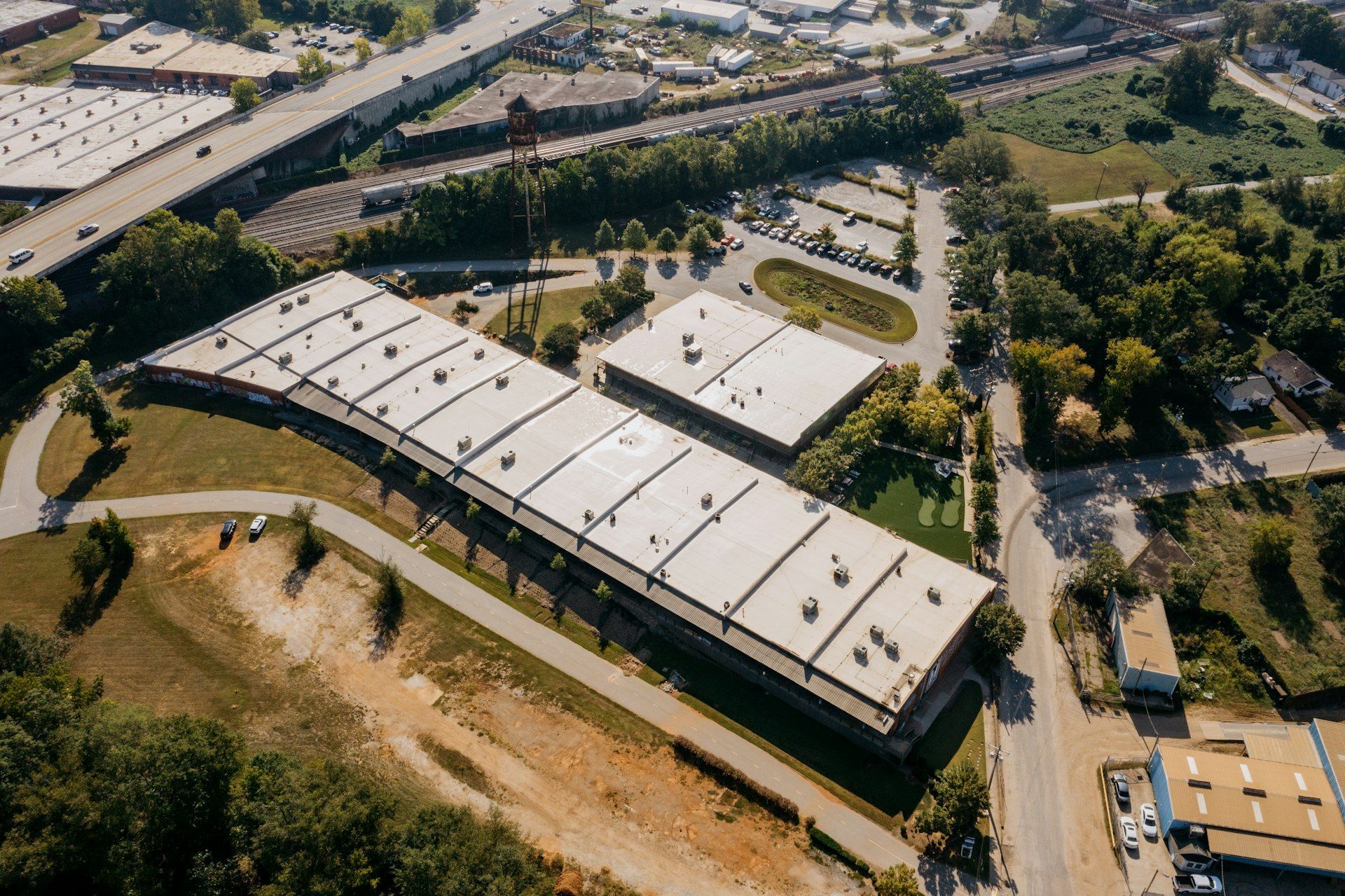
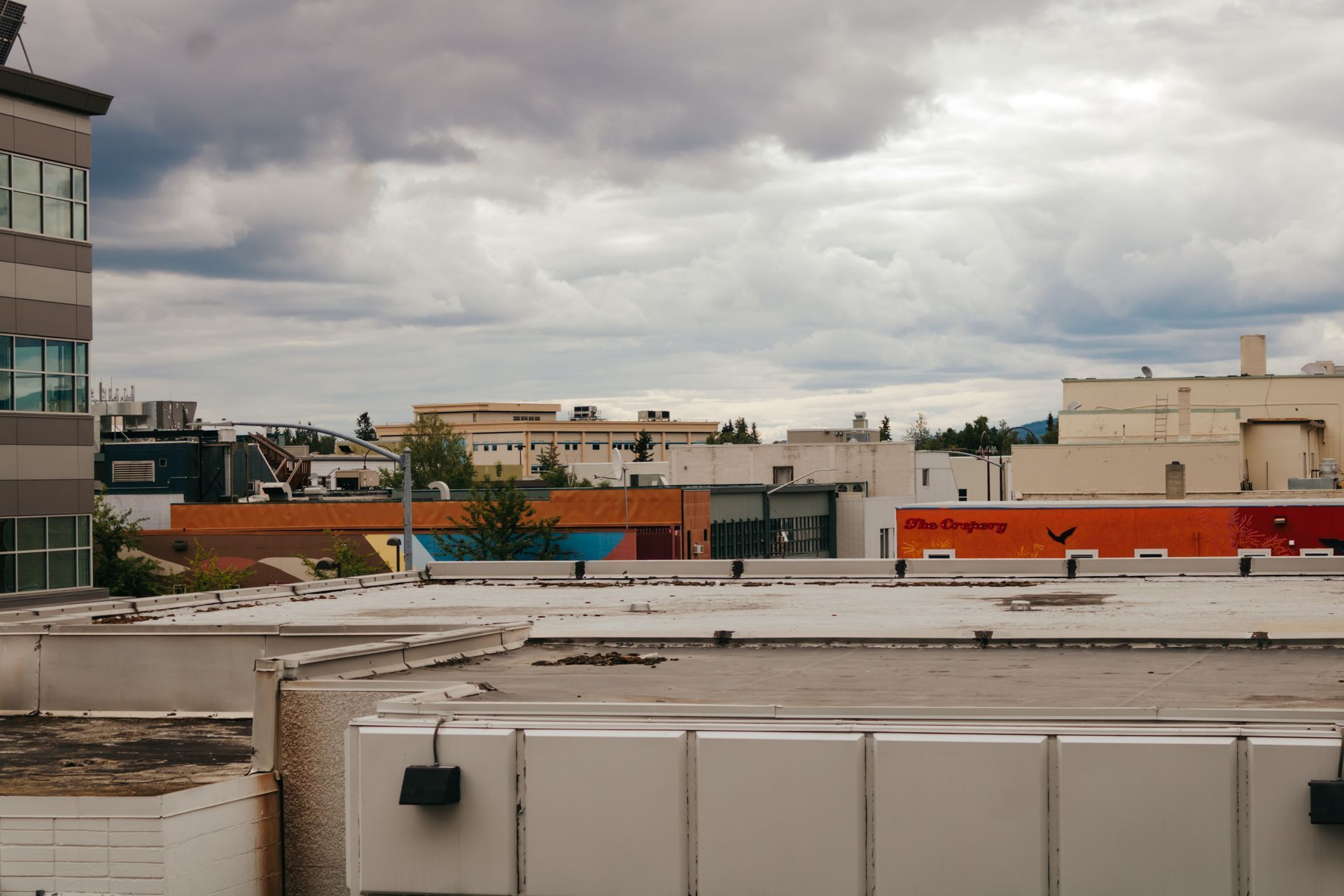
Most flat roofs cannot be seen from the ground, which means problems tend to stay hidden until water shows up on a ceiling tile or along an interior wall. By that point, insulation may already be wet and repairs can be more involved. A professional flat roof inspection gives building owners, property managers and homeowners a clear view of the membrane, seams, flashing and drainage, so small concerns can be handled while they are still manageable.
Rodriguez Metal and Roofing inspects low-slope roofs across Athens, GA, including TPO, PVC, EPDM, modified bitumen and built-up systems. We walk the entire surface, check every penetration and edge, and look at the interior for signs of past or active leaks. With 20+ years in the roofing trade, our team knows where flat roofs tend to fail and how to explain findings in practical terms. You leave the inspection knowing what condition your roof is in, which items need attention now and what can reasonably wait.
What Our Flat Roof Inspection Covers
A flat roof inspection is a systematic look at every part of the roofing system. On the surface, we examine the membrane for punctures, cracks, blisters, shrinkage and weathering, then check each seam for lifting or separation. Flashings at walls, curbs, skylights, pipes and rooftop units are reviewed closely, along with edge metal, coping and gutters. We note ponding areas, test drains and scuppers, and look for soft spots that may indicate wet insulation. Inside, we check ceilings and walls below the roof for staining.
Owners typically schedule an inspection after severe storms or hail, before buying or leasing a commercial property, when planning budgets for the year ahead, after rooftop equipment work, or simply as routine maintenance each spring and fall. An inspection is also smart whenever an unexplained leak appears. Catching issues at this stage usually keeps repair scopes smaller and far easier to schedule.
Issues an Inspection Often Uncovers
These conditions are easy to miss from the ground but frequently turn up during a careful roof walk.
- Ponding water marks, algae rings or debris lines showing where water sits too long after each rain.
- Open or fishmouthed seams on TPO, PVC or EPDM sheets that have not yet started leaking inside.
- Cracked sealant at pitch pans, termination bars and counterflashing that has dried out from years of sun.
- Wet insulation detected as soft areas underfoot, often found near drains, curbs and older patch repairs.
- Punctures, scuffs and cuts left behind by HVAC technicians, satellite installers or other rooftop service crews.
- Clogged drains, rusted scuppers and overflowing gutters that limit how quickly water leaves the roof surface.
What You Gain From a Professional Inspection
- Earlier Problem Detection: Finding an open seam or failing pipe boot before it leaks often means a simple repair instead of replacing wet insulation, damaged ceilings or ruined inventory later on.
- Better Budget Planning: A clear picture of roof condition helps owners and property managers forecast repair and replacement costs, so major expenses do not arrive as unwelcome surprises in the middle of a fiscal year.
- Informed Property Decisions: Buyers, sellers and tenants gain useful insight into roof condition before closing or signing a lease, which can support fair negotiations and realistic expectations about future maintenance.
- Storm Damage Documentation: After hail or high winds, a careful inspection records visible damage, which can be useful when you are reviewing your situation with an insurance provider or planning repairs.
- Longer Membrane Service: Routine checks and timely maintenance help many low-slope roofs stay in service longer than roofs that are ignored until something fails and water appears indoors.
- Peace of Mind: Knowing the true condition of a roof you rarely see lets you focus on running your business or household without worrying about every heavy Georgia thunderstorm.
Our Flat Roof Inspection Process
- Background Review: We ask about the roof's age, past repairs, leak history and any recent rooftop work so the inspection can focus on areas with known or likely concerns.
- Interior Check: Ceilings, walls and areas beneath rooftop equipment are examined for stains, moisture and other signs that water has already found its way inside the building.
- Surface Walk: We cover the entire roof, inspecting membrane condition, every seam, flashings, penetrations, edges and drains while noting ponding, debris and any soft areas underfoot.
- Findings Summary: You receive a clear explanation of what we observed, organized by priority, so you can tell urgent repairs apart from items that can be scheduled later.
- Recommended Next Steps: We outline repair, maintenance or replacement options that fit the roof's condition and your plans, then answer questions without any pressure to commit on the spot.
How We Evaluate Different Membrane Systems
Each low-slope membrane ages in its own way, so our inspection adjusts to the system on your building. On TPO and PVC, we look for open welds, surface cracking, scrim showing through worn areas and, on PVC, signs of shrinkage or brittleness. On EPDM, we check seam tape edges, shrinkage at perimeters, surface crazing and loose flashing. Attachment matters too: mechanically fastened roofs are checked for fasteners backing out or plates pressing through, adhered roofs are probed for loose or billowing areas, and ballasted roofs are reviewed for displaced stone. Drainage receives close attention, including slope, drain condition, strainers and overflow paths, because standing water accelerates wear. We cannot promise how many years any roof has left, but we can explain how its condition compares with what is typical for its age and recommend practical maintenance such as clearing debris, resealing details and scheduling regular checkups.
An Inspection Approach Built on Our Core Values
- Superior Quality Craftsmanship carries into how we inspect, not only how we build. Because our crews install and repair membrane roofs, we recognize installation shortcuts, weak details and early wear that a quick glance from a ladder would easily miss.
- Seamless and Stress-Free Experience begins with simple scheduling. We coordinate roof access with building staff, tenants or homeowners, work around business hours where needed and keep the visit efficient, so the inspection fits into your week rather than interrupting it.
- Clear and Consistent Communication turns observations into useful information. We explain what each finding means, why it matters and how urgent it is, using plain language instead of jargon, so you can make confident decisions about your roof and budget.
- Precision in Every Detail drives a methodical roof walk. We check every seam, penetration, drain and edge rather than sampling a few areas, because the one overlooked pipe boot or clogged scupper is often the source of the next leak.
20+ Years of Roofing Experience
Residential and Commercial
Available 24/7
Based in Athens, GA
Flat Roof Inspections Around Athens, GA
Commercial buildings, churches, schools, apartment complexes and homes with low-slope roofs throughout Athens, GA can schedule an inspection with our team, and you can learn more on our page for roof inspections in Athens, GA. We also work with owners and managers in other Georgia communities, such as those needing flat roof inspection in Smyrna, GA or commercial roof inspection in Brookhaven, GA. For buildings outside these areas, contact us to confirm availability and arrange a convenient time.
Related Services
Inspections often lead to questions about repairs or new membranes, so browse our complete low-slope roofing services for more detail. You can also find quick answers on our roofing FAQ page or book your flat roof inspection whenever it suits your schedule and building access.
FAQS
Questions Property Owners Ask Us
Straight answers about this service, the work involved, and what to expect. You can find more on our roofing FAQ page.
How often should a commercial flat roof in Georgia be professionally inspected?
Should I get a flat roof inspection before buying a commercial property?
Can an inspection tell whether the insulation under my membrane is wet?
What happens if the inspection finds problems that need repair right away?
Get Started Today
Get Your Free Roofing Estimate
Rodriguez Metal and Roofing serves Athens, GA and the Greater Atlanta area. Tell us about your roof or siding project and we will walk you through clear, honest options.
Available 24/7 · Email: sales@rmroofing.net