Commercial Roofing Installation in Athens, GA
Roof Systems Built to Keep Your Business Running
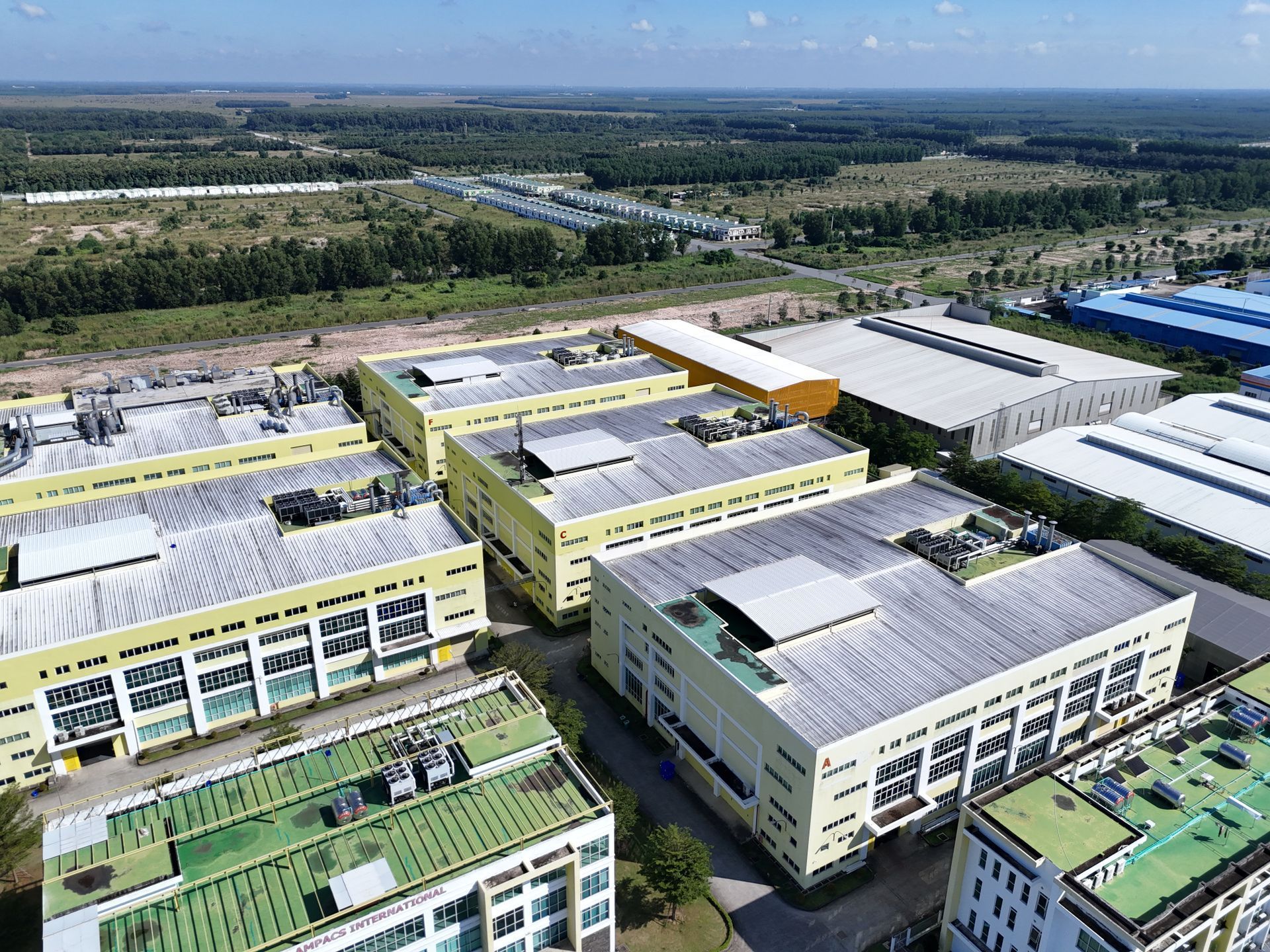
A commercial roof protects far more than a building. Inventory, equipment, records, and the people working inside all depend on it, and a failure can interrupt operations at the worst possible moment. Commercial roofing installation means designing and building a complete roof system for offices, retail centers, warehouses, churches, and multifamily properties, usually on low-slope decks or metal structures that behave very differently from a typical home roof.
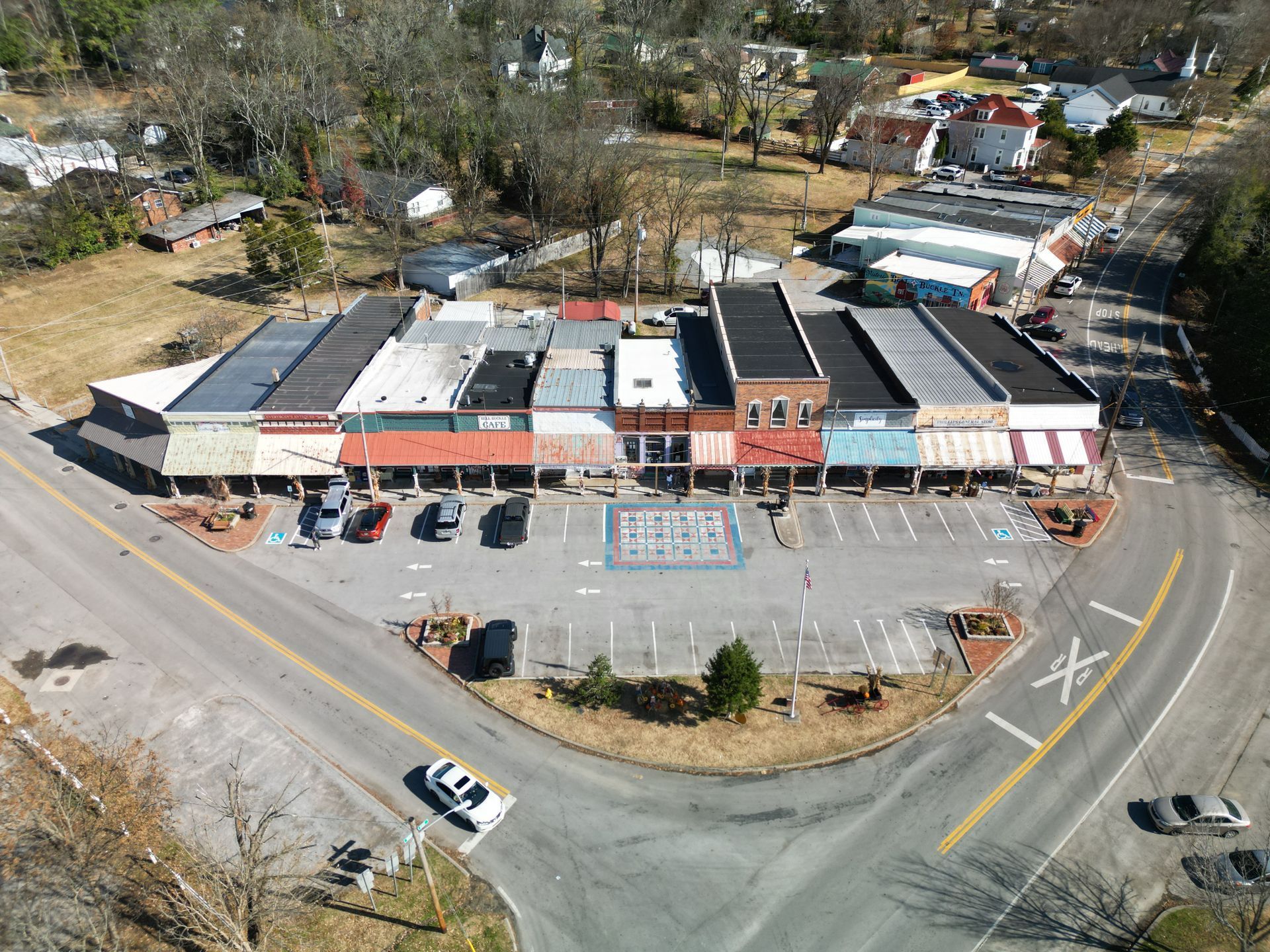
Across Athens, GA, many commercial buildings sit under wide flat or nearly flat roofs that collect heat all summer and must drain large volumes of rain during strong storms. The right system depends on the deck type, rooftop equipment, foot traffic, and how long the owner expects to hold the property. We install single ply membranes such as TPO, PVC, and EPDM, along with standing seam and other metal roof systems, and we explain the tradeoffs in plain language so property owners and managers can make decisions with a clear picture of cost, upkeep, and performance.
Scope of a Commercial Roof Project
Commercial installations begin with a detailed assessment of the existing roof, deck, insulation, and drainage. We note rooftop units, curbs, parapet walls, and penetrations, since each one needs proper flashing in the new system. Drain locations, scuppers, and gutters are reviewed as well, because poor drainage is one of the most common reasons low-slope roofs fail early.
Depending on the building, work may include removing the old roof, installing new insulation board to improve slope or thermal performance, and then adding the membrane or metal panels with compatible edge metal and flashing details. On metal buildings, panels and trim are matched to the existing structure and fastened to suit the frame.
Owners typically need this service when an aging roof has widespread leaks or saturated insulation, when a new building or expansion requires a roof, or when a property is being renovated for new tenants. Phasing the project so sections are completed and watertight each day helps keep the business open while the work moves forward.
Signals a Commercial Roof Needs Attention
Building owners often notice one or more of these warning signs first.
- Ponding water that sits on low-slope sections for days after rain, stressing seams and adding weight to the deck.
- Membrane seams that are separating, blistering, or shrinking away from parapet walls and rooftop curbs.
- Ceiling tiles stained in several areas, often far from where the actual roof opening is located.
- Wet or compressed insulation under the membrane that reduces energy performance and feels soft underfoot.
- Rusted metal panels, loose fasteners, or failing sealant along ridge caps and panel laps on metal buildings.
- A planned expansion, tenant buildout, or change of use that requires a new or upgraded roof system.
Advantages of a New Commercial Roof System
- Operational Continuity: A sound roof keeps water away from equipment, inventory, and work areas, helping your business avoid shutdowns, damaged stock, and the cleanup that follows interior leaks during heavy Georgia storms.
- Energy Performance: Reflective membranes and new insulation can help limit heat gain through the roof, which may ease cooling loads on large buildings where summer sun beats down on the deck for hours.
- Better Drainage: Tapered insulation, properly placed drains, and clean scuppers move rainwater off the roof efficiently, reducing the ponding that shortens membrane life and invites leaks at seams.
- Predictable Maintenance: Starting fresh with a documented system makes it easier to budget for routine inspections and minor upkeep instead of reacting to emergency repairs on an unknown, patched roof.
- Tenant Confidence: Occupants and customers notice when a building stays dry and comfortable, and a reliable roof supports lease renewals and a professional image for the property.
- System Flexibility: TPO, PVC, EPDM, and metal each suit different buildings, so the roof can be matched to chemical exposure, rooftop traffic, budget, and the structure underneath.
Our Commercial Installation Workflow
- Roof assessment: We inspect the surface, deck, drainage, and rooftop equipment, and may take core samples to check insulation moisture before recommending a system for the building.
- System proposal: You receive a written scope covering the membrane or metal system, insulation, edge details, and a phasing plan that considers business hours, access points, and safety.
- Tear off and preparation: Old roofing and wet insulation are removed in manageable sections, the deck is repaired as needed, and new insulation is fastened or adhered to create a solid base.
- System installation: Membrane sheets are welded or bonded and flashed at curbs, drains, and walls, or metal panels are installed with matching trim, leaving each section watertight at the end of the day.
- Final review: We check seams, flashings, and drains, clear debris from the roof and grounds, and provide documentation of the completed system for your property records.
Comparing Membrane and Metal Systems
TPO is widely used on commercial buildings because its white surface reflects sunlight and its seams are heat welded into a continuous sheet. PVC is also heat welded and is often preferred where restaurants or industrial processes expose the roof to grease or chemicals. EPDM, a rubber membrane, has a long track record on low-slope roofs and handles temperature swings well, with seams joined by tape or adhesive. Metal roofing, including standing seam panels, can work well on buildings with enough slope and offers strong resistance to wind and debris when installed correctly. Insulation type and thickness, attachment method (mechanically fastened, adhered, or ballasted), and edge metal details all influence how any of these systems performs. Regular inspections, especially after severe weather, along with keeping drains clear and limiting unnecessary rooftop foot traffic, help a commercial roof reach its full potential service life.
How We Approach Every Commercial Building
- Superior Quality Craftsmanship on a commercial roof means welded seams that hold, flashing that wraps rooftop curbs completely, and insulation fastened to the correct pattern. We build each system as one connected assembly rather than a collection of patches over a large deck.
- Seamless and Stress-Free Experience comes from planning around your business. We coordinate crane lifts, material staging, and noisy work with property managers, keep entrances safe for customers, and phase sections so your operations can continue throughout the project.
- Clear and Consistent Communication keeps owners, managers, and tenants informed. You get regular progress updates, prompt notice of any deck damage uncovered during tear off, and a single point of contact who can answer questions about schedule and scope.
- Precision in Every Detail matters most at drains, parapets, and penetrations, where commercial roofs most often fail. We measure slopes, set edge metal carefully, and probe every seam by hand before a section is considered finished and watertight.
20+ Years of Roofing Experience
Residential and Commercial
Available 24/7
Based in Athens, GA
Commercial Roofing Across Georgia Business Districts
Our crews install commercial roofs for property owners in Athens, GA and throughout the Greater Atlanta region and other Georgia markets. Businesses contact us for commercial roofing in Athens, GA, low-slope membrane systems around Peachtree Corners, GA, and metal roof installations in Macon, GA. Larger projects require advance planning for materials and equipment, so contact us to confirm availability for your building and preferred timeline. We can also discuss phased schedules for occupied properties such as offices, schools, and retail centers.
Related Services
Commercial property owners can explore our roofing services for businesses and homes to see every system we install. For common questions about membranes, metal, and scheduling, visit our roofing FAQ page, or schedule a commercial roof assessment to start planning your project.
FAQS
Questions Property Owners Ask Us
Straight answers about this service, the work involved, and what to expect. You can find more on our roofing FAQ page.
Can my business stay open while the new commercial roof is installed?
Is TPO or PVC the better membrane for a restaurant building?
Do I need to replace wet insulation under my flat roof during installation?
Can you install a new roof around rooftop HVAC units and other equipment?
Get Started Today
Get Your Free Roofing Estimate
Rodriguez Metal and Roofing serves Athens, GA and the Greater Atlanta area. Tell us about your roof or siding project and we will walk you through clear, honest options.
Available 24/7 · Email: sales@rmroofing.net